Have you ever wondered how a tiny bee can turn flower nectar into the golden honey we enjoy on our breakfast table?
The journey from flower to honey jar is an incredible natural process involving thousands of bees, flowering plants, careful beekeeping and the unique environment surrounding the hive.
At Midlands Honey, we believe understanding where your food comes from makes enjoying it even more special.
Here’s how honey makes its journey from the beehive to your table.
Step 1: Bees Collect Nectar
The process begins with flowering plants.
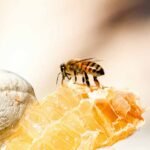
Worker bees leave the hive in search of flowers containing nectar. They collect this sugary liquid using their long tongues and store it temporarily in a specialised part of their digestive system called the honey stomach.
A single bee may visit many flowers during a foraging trip.
The type of flowers available in the surrounding environment can influence the eventual flavour, colour and aroma of the honey.
Step 2: Bees Return to the Hive
Once a foraging bee has collected nectar, it returns to the hive.
The nectar is passed between bees and undergoes changes as the bees work with it.
Enzymes naturally present in the bees contribute to the transformation of nectar into honey.
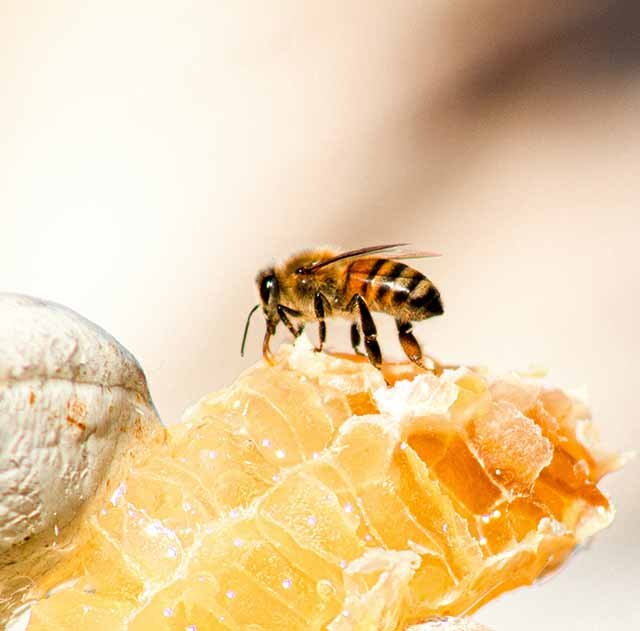
The bees then place the nectar into the cells of the honeycomb.
Step 3: Bees Reduce the Moisture
Fresh nectar contains considerably more water than finished honey.
Bees help reduce the moisture content by moving air through the hive and allowing water to evaporate.
As the nectar becomes thicker and more concentrated, it gradually develops into honey.
This is an important part of the process because honey’s naturally low moisture content contributes to its ability to remain stable for long periods when stored correctly.
Step 4: The Honeycomb Is Sealed
Once the honey reaches the right consistency, bees seal the honeycomb cells with a thin layer of beeswax.
This creates a protective cap over the stored honey.
For beekeepers, capped honeycomb is one of the signs that honey is ready to be harvested.
Step 5: Beekeepers Harvest the Honey
This is where the beekeeper’s role becomes important.
Beekeepers carefully inspect the hives and harvest honey while managing the colonies responsibly.
Frames containing honeycomb can be removed from the hive for harvesting.
The honey is then separated from the wax using appropriate extraction methods.
Step 6: Honey Is Filtered or Strained
After extraction, honey may contain small particles of wax or other natural material from the hive.
Depending on the producer and the type of honey, it can be strained or filtered to remove these unwanted particles.
The aim is to produce a clean, enjoyable honey product while retaining its natural character.
Step 7: Honey Is Bottled
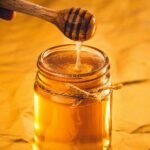
Once the honey has been harvested and prepared, it can be packaged and bottled.
This is the final step before the honey makes its way to shops, kitchens and breakfast tables.
From there, you can enjoy it in everything from morning tea and coffee to toast, yoghurt, baking and cooking.
Why Does Honey Have Different Colours?
You may have noticed that honey isn’t always the same colour.
Some honey is pale gold, while other varieties can be much darker.
This can happen because honey’s characteristics are influenced by the nectar collected from different flowers and plants.
The season, location and surrounding vegetation can all contribute to differences in honey.
This natural variation is part of what makes honey so interesting.
The Importance of Bees
Honey production starts with healthy bee colonies and a healthy environment.
Beekeeping is therefore about much more than collecting honey.
It involves caring for bee colonies, understanding bee behaviour and working with the natural environment.
For Midlands Honey, this relationship between bees, beekeepers and the landscape is central to what we do.
From the Midlands to Your Breakfast Table
Every bottle of honey represents a remarkable journey.
It begins with flowers, continues with thousands of bee visits, develops inside the hive and eventually reaches the beekeeper before making its way into your kitchen.
That makes honey more than simply a sweetener.
It is a natural product with a story.
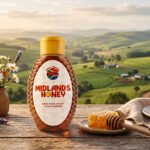
At Midlands Honey, we are proud to be part of that story, producing raw, natural and local honey from the KwaZulu-Natal Midlands.
Discover our range of honey products and bring a taste of the Midlands to your table.